Seven AC repair warning signs you should not ignore
Some AC problems are slow and easy to miss until the bedroom is uncomfortable at midnight. Others, like water pouring down a wall, need immediate attention. We handle repair calls across Jamaica with the same field crew that installs Windy and TCL systems. Here is how to read the signs and what to send when you WhatsApp.
Do not wait for the unit to “fix itself” after a good night. Heat, humidity, and long run times make small faults worse. If you can describe when it started, what you hear, and what you see, we can tell you whether to keep it off until we arrive.
Warm or weak air
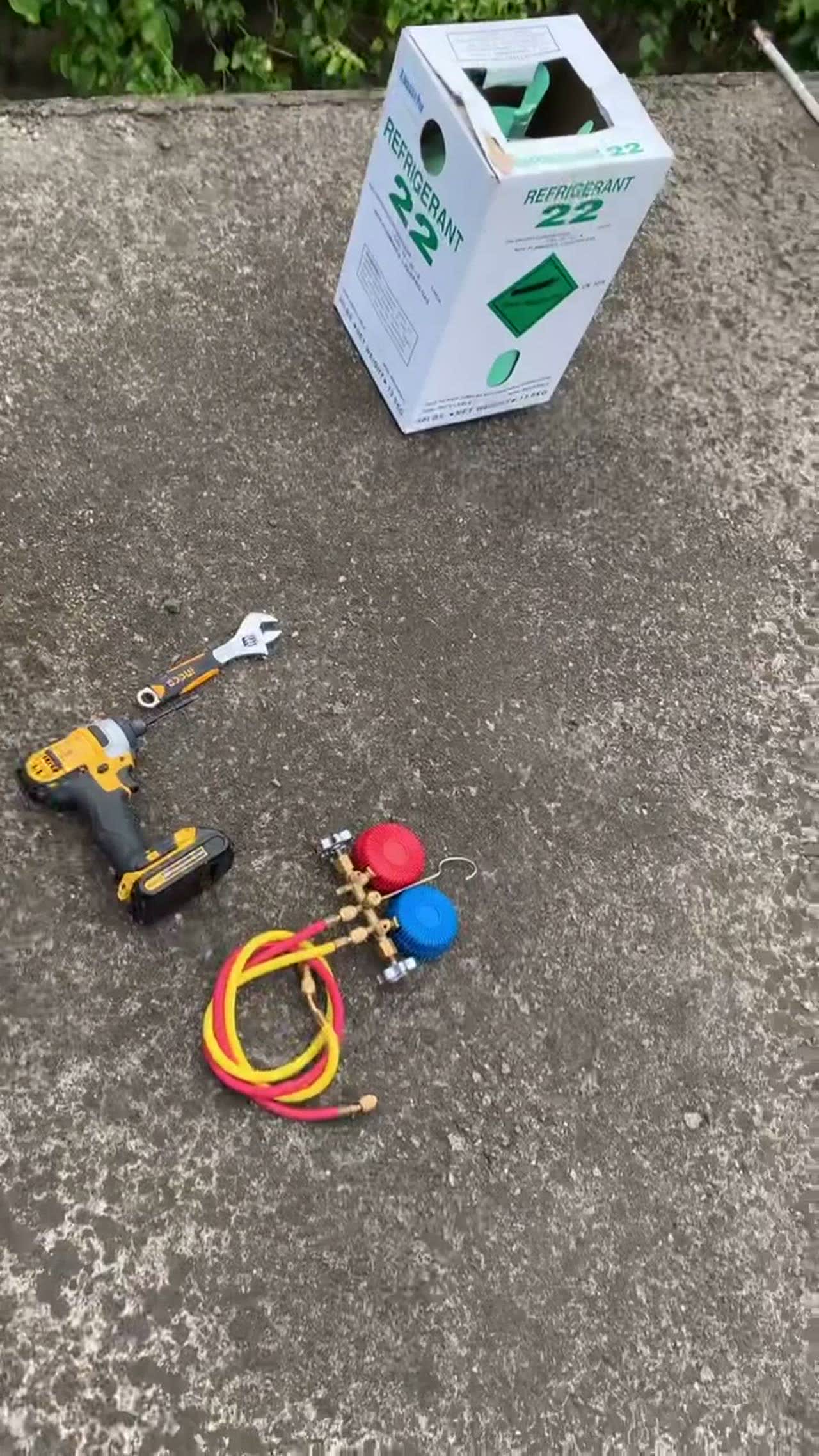
If the unit blows room-temperature air while set to cool, possible causes include low refrigerant, a failed capacitor, a dirty filter, or a stuck reversing valve on heat-pump models. Weak airflow with cool air often points to a clogged filter or blocked coil. Note whether the outdoor fan is spinning when the indoor unit is on.
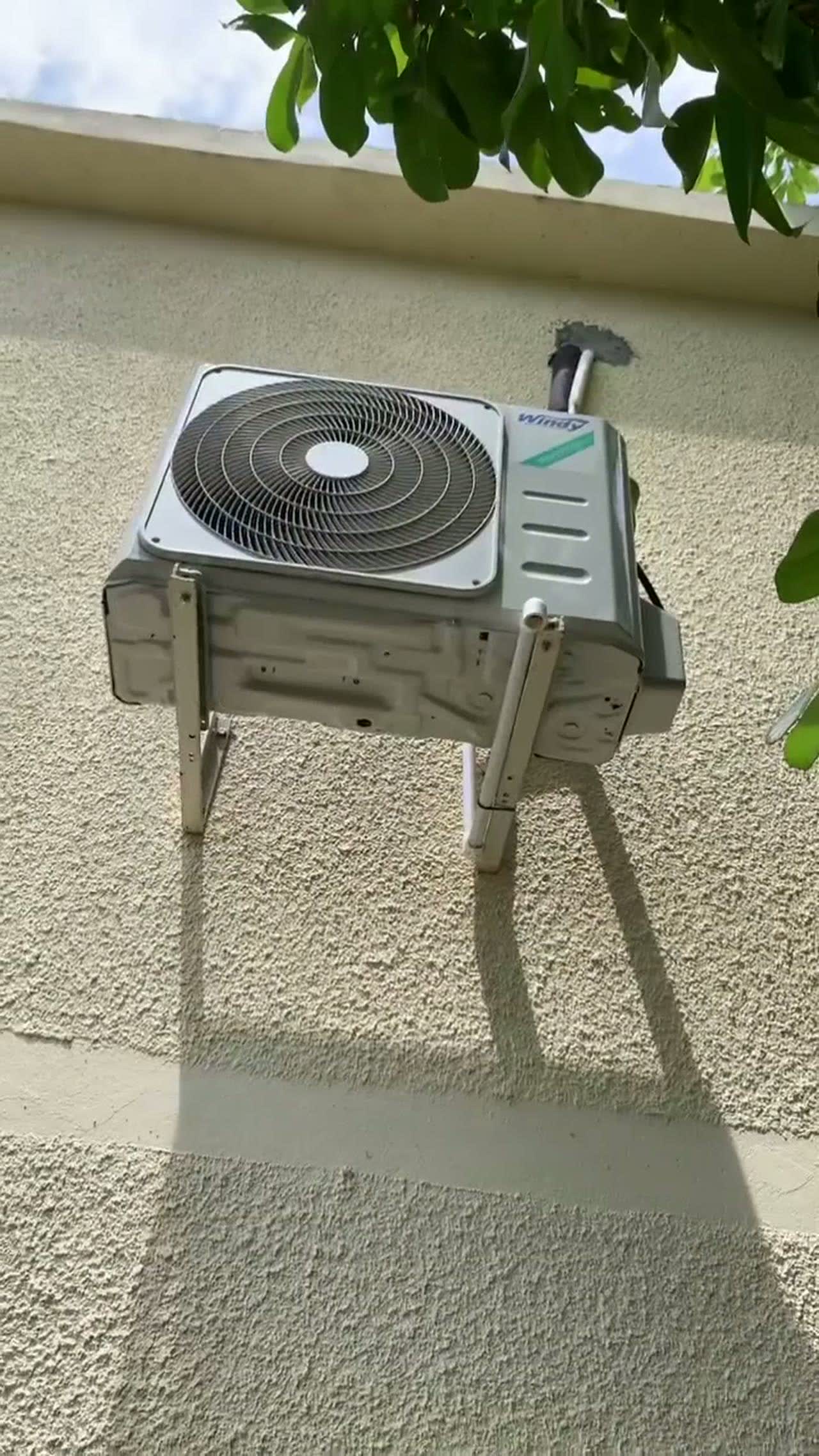
Stand outside for thirty seconds while someone inside runs cool mode. If the outdoor fan is still and the compressor is silent, that is useful. If the outdoor fan is spinning and you still get warm air inside, that is useful too. Guessing from the sofa wastes the first half of the visit.
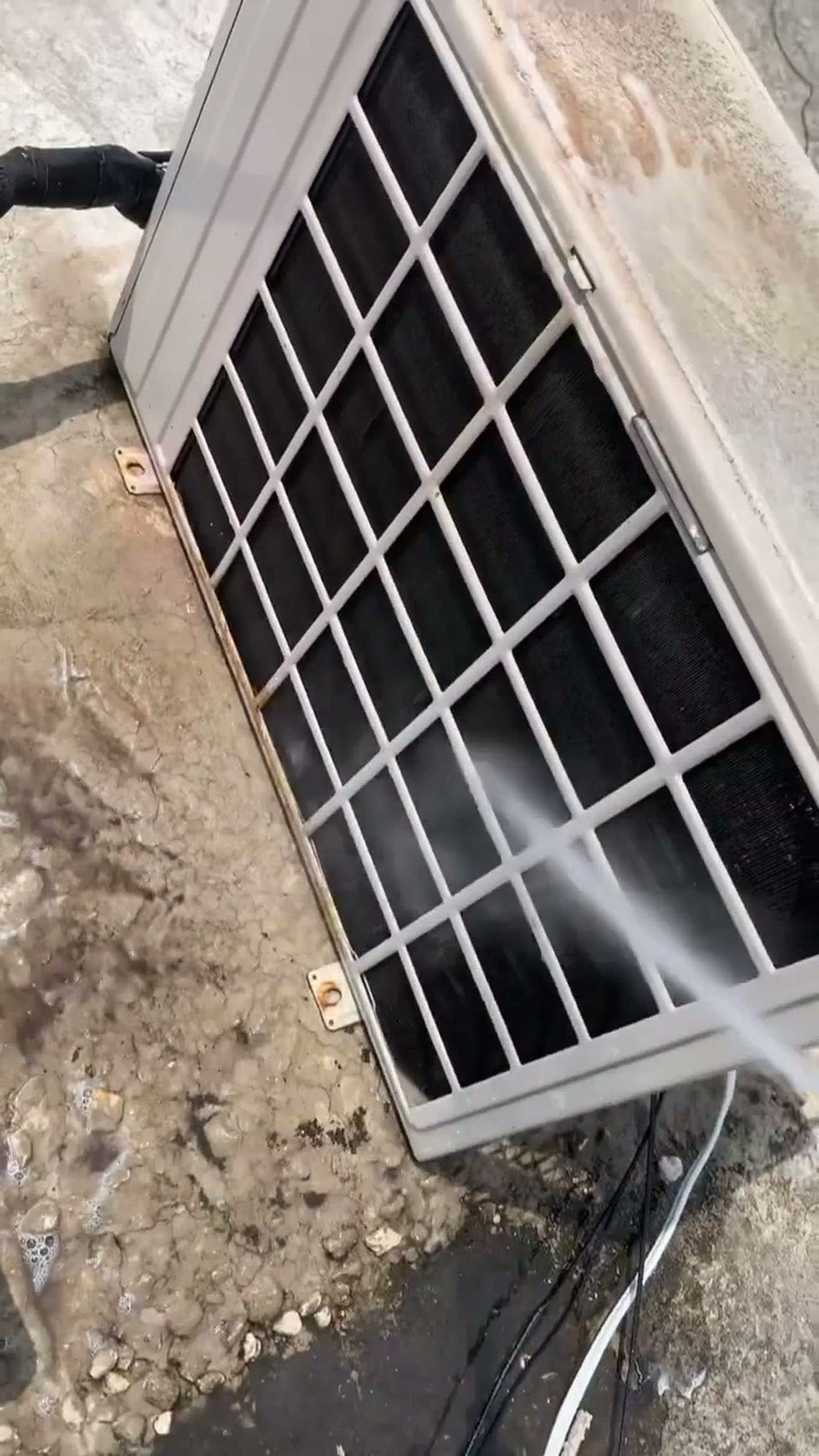
A unit that used to cool the room in twenty minutes and now needs an hour is also a warning, even if the air still feels slightly cool. That pattern often sits between a dirty coil and a refrigerant or compressor issue. Photograph the outdoor fins before you assume it is “just old.”
Water leaks
Condensate should exit through the drain line. Water staining the wall or ceiling below the indoor head usually means a blocked drain, improper slope, or frozen coil melting. Turn the unit off to limit damage and photograph the drip path.
A little drip at the outdoor drain termination can be normal while cooling. A wet indoor wall is not. Do not keep running “just to sleep” if water is already behind the paint. Mold and board damage cost more than a same-week visit.
If the leak started after someone “cleaned” the unit, say so. A filter put back wet or a drain hose knocked off a barb is a short diagnosis when we know it happened.
Unusual noise
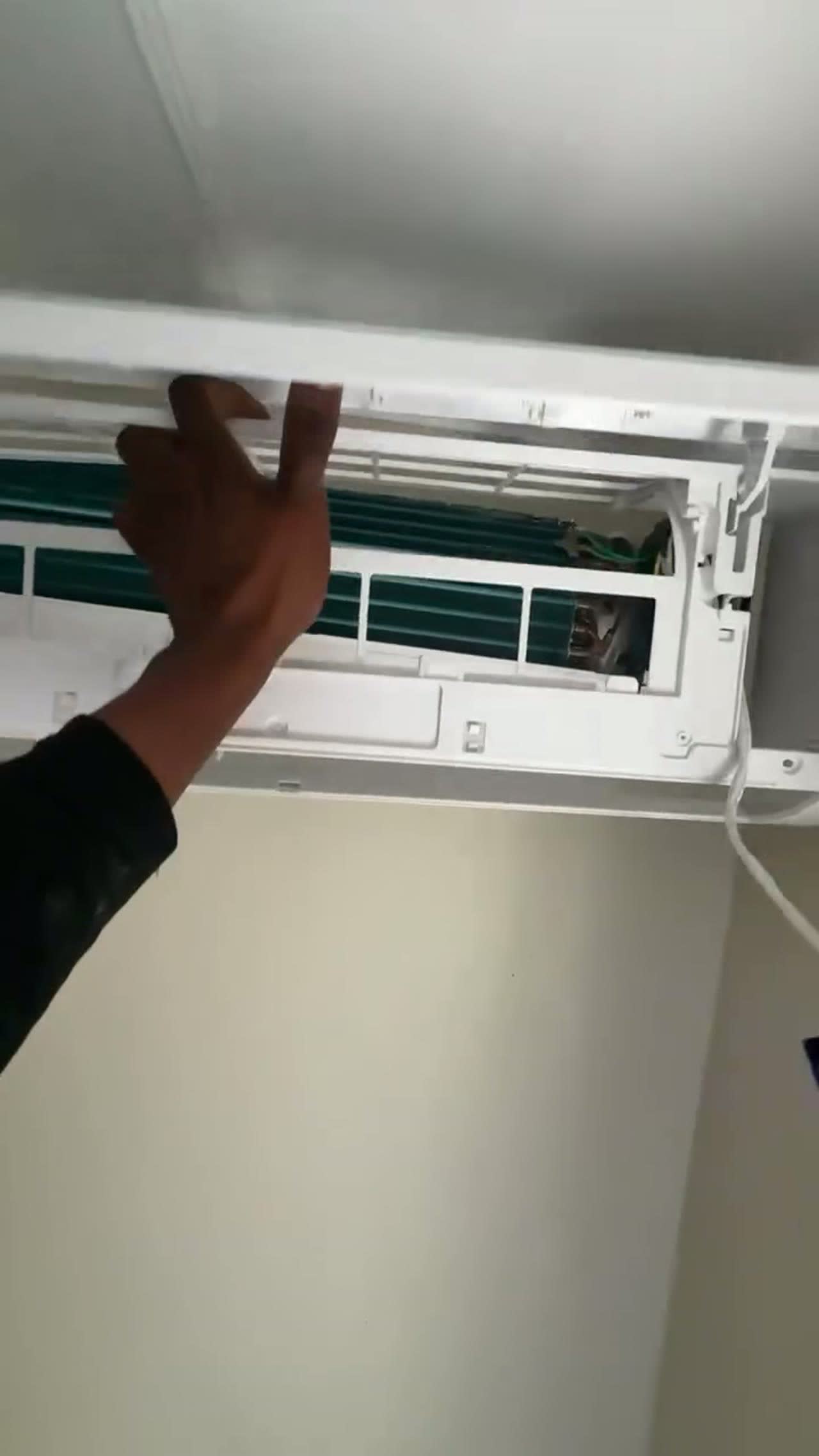
Grinding or screeching may indicate fan motor bearings or compressor strain. Rattling can be loose panels or a failing mount. Clicking at start-up is normal; repeated loud clicks are not. Record a short video with your phone if the sound is intermittent.
Vibration that shakes the window or the wall often means the outdoor bracket is loose, the unit is sitting on an uneven pad, or a fan blade is hitting the cage. Those are repair or remount jobs, not a new remote. Multi-story mounts need a ladder and a second pair of hands. Mention height when you book.
A sudden roar after years of quiet is not “the inverter working harder.” Turn it off if the sound is metallic. Send the clip.
Ice on the coil
Ice behind the indoor grille means the coil is too cold, often from restricted airflow or refrigerant issues. Running the unit while iced can damage the compressor. Switch off cool mode, let ice melt, and book a visit. Do not chip ice with tools.
You can run fan-only while it melts if the manufacturer allows it and water is not overflowing. Towels on the floor are cheaper than a new compressor. Once it is melted, do not switch cool back on “to test it” for the rest of the night. Wait for the visit.
Breaker trips
If the breaker trips when the AC starts, there may be electrical overload, shorted wiring, or a failing compressor. Reset once only. Repeated trips need a technician, not a larger breaker.
Upsizing the breaker to stop the trip is how small faults become fire risk. If lights dim hard every time the compressor kicks in, say that in the message. We will look at supply and the unit together. We do not guess from a text that says “electricity bad.”
Smells and humidity
Musty odors suggest mold on a dirty coil or standing water in the drain pan. Burning smell means stop the unit immediately and call. If the room feels clammy while the AC runs, airflow or sizing may be wrong, or the unit may not be dehumidifying effectively due to a fault.
Jamaica humidity makes “the AC is on but I am still sticky” a real complaint. Sometimes the coil is filthy. Sometimes the unit is undersized for a west-facing room with the door open. We would rather hear both facts than only “it not cold.”
Lights and error flashes
Many wall units blink a code on the indoor display or a combination of timer and run lights. Do not clear it by yanking the plug unless we ask you to power-cycle once. Photograph the display. If the remote shows a code, photograph that too.
We still want the symptom in plain language. “E5 and warm air since Thursday” is better than only the code. Brands differ. A photo of the indoor badge helps us look up the right list.
When to stop the unit
- Burning smell, smoke, or scorched plastic smell.
- Ice on the indoor coil or outdoor pipes.
- Water running down an indoor wall.
- Breaker that will not stay on.
- Grinding, screaming, or a fan that clearly hits the cage.
Weak airflow with no ice, no leak, and no burning smell can usually wait for a booked slot, but do not wait weeks in peak heat. Dirt becomes a repair when the compressor has been cooking.
Servicing or repair
If the unit worked last month and the outdoor coil looks packed, start with a service visit. If a part failed, ice formed, or the breaker trips, book repair. We would rather reclassify on site than send you through two forms.
Outdoor coil work is covered in the coil cleaning guide. Cleaning will not recharge refrigerant or replace a capacitor. Honesty in the first message saves a wasted wash.
Before you message
- Photo of the indoor unit and any error flash codes.
- Photo of the outdoor unit and whether the fan runs.
- Brand and model label if visible.
- When the problem started and whether it is constant.
- Parish and best callback number.
- A 10-second video of the noise or the leak if you have one.
- Whether you already had a recent service or DIY rinse.
More quick answers on the FAQ page. Island-wide means we still need the parish so we can plan the day. After-hours availability depends on the area and the fault. Message 876-472-9471 and we will say what is possible.
Common questions
Should I keep running the AC if it still cools a little?
If you hear grinding, smell burning, or see ice, turn it off. Minor weak airflow can wait for a scheduled visit but should not run for weeks.
Do you repair at night?
Message 876-472-9471 to confirm availability for your area.
Can servicing fix my problem?
Sometimes. If parts failed or refrigerant leaked, repair is required. Describe symptoms honestly when you book.
The AC cools then stops. Is that a repair?
Intermittent cooling can be dirt, a sensor, electrics, or refrigerant. Send the pattern (how long it cools, what you hear) plus photos.
Do I need to be home?
Someone who can grant access and confirm cool air after the work should be there, or leave clear instructions and a key arrangement.
Need a repair visit?
Send photos and your parish on WhatsApp or through the quote form.
Repair services